Understanding these stages and sensations is the first step to making more informed choices about your relationship with alcohol. Understanding these factors that influence intoxication levels can assist individuals in making informed decisions about their alcohol consumption. When you drink alcohol, the small molecules of the chemical rapidly pass into your bloodstream and travel to the brain. There, alcohol goes to work on almost every part of your cerebrum, affecting mood and perception, motor skills and judgment.
What Does Drinking Too Much Feel Like? Individual Responses to Alcohol
As intoxication increases, your emotions can swing unpredictably. does being drunk feel good You might go from feeling euphoric to angry, sad, or anxious in a short period. Alcohol also intensifies existing emotions, which is why people sometimes get emotional or aggressive while drinking.

Need Help Getting Addiction Treatment?
- It can lead to seizures, respiratory depression, choking, permanent brain damage, and death if not treated immediately by medical professionals.
- Alcohol is a depressant, meaning it slows down your central nervous system.
- Recognizing the signs and symptoms of each level can help prevent dangerous situations and allow for timely intervention when necessary.
- It’s a common experience where alcohol seems to turn up the volume on everything you’re feeling.
If alcohol is consumed in large enough quantities, or for long periods of time, those feel-good responses trigger feelings of pleasure and reward. The reward center in the brain is also activated when users drink to minimize negative withdrawal effects. The brain is trained to depend on alcohol for the production of those feel-good endorphins. And the more alcohol that is consumed, the higher the brain’s tolerance can be for reaching those “positive” effects. More and more alcohol is needed before the brain’s reward center is satisfied. If you’ve never been drunk, it can be hard to understand what it feels like and why it becomes so addictive.
How can I build healthier drinking habits?
- Alcohol impairs your brain’s ability to make rational decisions and control behavior.
- Although alcohol is often described as a ‘depressant’, that’s not quite the same as saying it will make you depressed.
Ask a question or start a conversation about (almost) anything you desire. Every month, we launch fun challenges, like Dry/Damp January, Mental Health May, and Outdoorsy June. You what is Oxford House won’t want to miss out on the chance to participate alongside fellow Reframers (or solo if that’s more your thing!). It continues its rampage throughout the body, disturbing the sleep cycle, causing dehydration, and wreaking havoc in the stomach. The next day, we’re left with a pounding headache, Sahara Desert-level thirst, and a stomach performing its own version of the Riverdance. The night that was meant to be filled with cliffhanging plot twists turns into blurry mumblings as you stumble off to bed.
Also most alcohol tastes like shit and can lead you to do some dumb shit. For one thing, sudden withdrawal from alcohol can cause severe symptoms, including anxiety, tremors, and hallucinations. Additionally, quitting alcohol suddenly can trigger a relapse for people who are in recovery from alcoholism. In addition to the obvious signs of drunkenness, like slurred speech and staggering, there are a few other telltale symptoms that can indicate someone is intoxicated. For example, drinkers often have bloodshot eyes and dilated pupils.
eli5 why alcohol feels good?
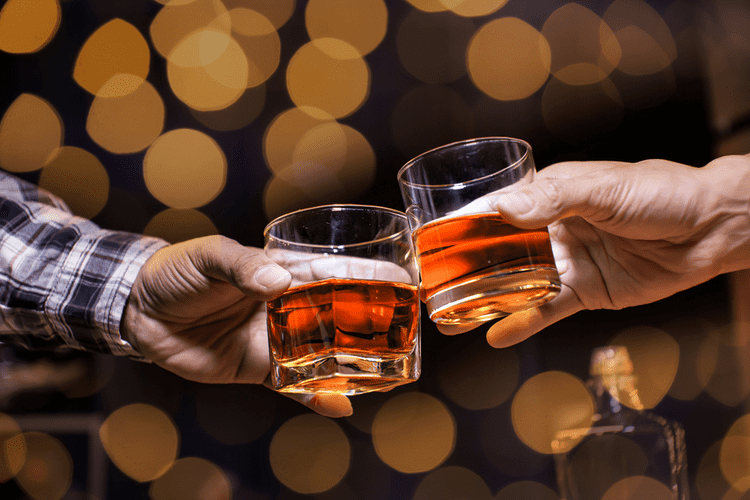
Alcohol consumption is deeply ingrained in many societies, with statistics from the NSDUH indicating that a significant majority of Americans aged 18 and older drink. Despite its widespread acceptance, very few people truly understand the intricate specifics of what does being drunk feel like and the profound effects alcohol has on the brain and body. If you’ve never experienced intoxication, it can be challenging to grasp the sensations and, crucially, to comprehend why alcohol can become so insidiously addictive for so many. When people drink, all their different physical and genetic factors combine with how much they are drinking and how quickly. This determines BAC level and the phases of drinking at which the brain and the body enters. The person who is only drinking a little each hour is better able to filter the alcohol out of the blood.
The liver processes about one standard drink per hour, but this can vary depending on the individual. Even after you stop drinking, alcohol continues to affect your brain and body until it’s fully metabolized. Understanding how much alcohol your body can tolerate is the first step in preventing overconsumption.
Immediate medical attention is imperative in the lead-up to this last stage of drunkenness to prevent death from alcohol poisoning and/or other fatal symptoms. Indeed, at a BAC of .45 or above, you are probably going to die from alcohol poisoning. These facts about the stages of drunkenness are, therefore, a sobering antidote to the notion that “getting drunk” is a harmless form of social entertainment. The effects of alcohol can last from a few hours to longer, depending on various factors, including the amount consumed, individual metabolism, and overall health. Your motor skills will also be impaired, which is why https://canavar.hu/alcohol-associated-liver-disease-symptoms-stages/ it’s never a good idea to drink and drive. But as long as you drink responsibly, an alcohol buzz can be a great way to let loose and have some fun.