Pinjore Garden Visit Guide Chandigarh Timings, Entry Fee, Best Time To Visit
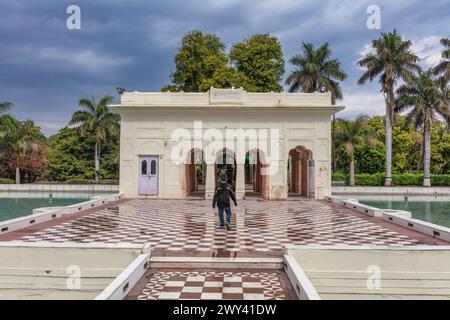
Organized after a collaboration with the Horticulture Department, the festival seeks to commemorate the efforts of the above department in the lives of the citizens residing in the nearby areas. In the Pinjore Garden Chandigarh, festivals take place in the area annually, with celebrations occurring on the days of the Pinjore Baisakhi Festival and Pinjore Mango Mela, which take place during June and July, adding to the increasing number of attractions in the place. The terraces end with the lowermost one caving in the figure of a disc-like structure, adding another layer of awe and wonder to the vast grandeur of the terraces. The next terrace is known for its beautiful surroundings since it contains a fountain bed along with a platform where we can relax and admire the view. The third terrace is outlined with Cypress trees and flower beds which eventually lead to dense groves and fruit trees. The second terrace is decorated with colorful arched doorways, therefore earning itself the name of Rang Mahal.
A Symphony of Beauty: Exploring the Enchanting Features of Pinjore Garden Chandigarh
At the heart of the Pinjore Gardens lie the central waterway highlighted by beautiful fountains and lined with trees, offering a regal ambience that transports visitors through time. Over the years, it has attracted countless visitors with its tiered gardens, captivating water features, and the grandeur of the Shish Mahal and Hawa Mahal located within its precincts. Located in the majestic land of Chandigarh, the Pinjore Gardens, also known as Yadavindra Gardens, is a spectacular Mughal-style garden that invites visitors to embrace the confluence of history, culture, and natural beauty. The best time to visit Yadavindra Gardens is from October to March when the weather is cool and pleasant, perfect for exploring the gardens and enjoying outdoor activities. Built in a similar style to Shalimar Bagh in Kashmir, the garden has been laid in seven terraces, with the main gate of the garden opening into the highest first terrace, which has a palace built in Rajasthani–Mughal style. The garden has 7 terraces, fountains, an open-air theatre, water bodies, and a green grass cover to walk or rest.
- The entry charges for Pinjore Garden are minimal, making it a pocket-friendly destination for all visitors.
- The visitors are also entertained with a plethora of evening performances including dance, music, and drama.
- The Maharaja used this magnificent garden to grow roses for the making of perfume.
- As you walk through those gardens, saunter through that stretch of land entrenched with lavish fountains, dotted with Cypress and other varieties of plants, you shall be able to experience first-hand what it felt to be a king or queen.
- Each of the seven terraces house several architectural wonders.
- The plan of Pinjore/Yadavindra Garden is very close to the Diagram 16 from the evolution of Islamic charbagh garden design (also shown, left).
- Also known as Yadavindra Gardens, this Mughal-style garden is famous for its stunning architecture, lush greenery, and vibrant cultural events.
The garden is planned wonderfully with central waterway and number of trees and flowers such as cypress, palm and magnolia. The temple is created in Mughal style arranged out on seven terraces. In the 20th century, further enhancements were made by the last Maharaja of the Patiala dynasty, Maharaja Yadavindra Singh, in whose memory the garden was renamed Yadavindra Gardens.
The area has been designed to incorporate terrace gardens, grand pavilions, and captivating fountains. The place is a stunning blend of Mughal grandeur and Yadavindra Gardens the tranquil beauty of nature, making it one of the best gardens in India for visitors to explore. It is not just the garden's history and beauty that attract visitors but also the effort put into maintaining and showcasing the rich cultural heritage of the region. The garden has various facilities and amenities for the visitors, such as restrooms, drinking water, food stalls, souvenir shops, etc.
PINJORE BAISAKHI FESTIVAL
Visitors can explore the intricately decorated interiors of these palaces and marvel at the exquisite craftsmanship. As mentioned earlier, the Shish Mahal and Rang Mahal are two of the most striking structures in the garden. Additional charges may apply for special events or exhibitions held within the garden premises. After India gained independence in 1947, the garden came under the jurisdiction of the Haryana government.

The palace also has a hammam (bathhouse), with hot and cold water facilities. The terraces are connected by flights of steps and waterfalls, creating a harmonious and soothing effect. Yadvinder Garden is spread over an area of 100 acres, and consists of seven terraces, each with a distinct theme and style. It is also a venue for cultural events and festivals, such as the Baisakhi festival in April and the Mango festival in June. Visitors can enjoy illuminated fountains, cultural programs, and festive markets. These celebrations bring the garden to life with music, colors, food, and traditional charm, making it a must-visit destination for locals and tourists alike.
- The garden also organises mango competition, carts competition for school students, cultural programmes, crafts bazar, food court and evening cultural dance programme.
- After India gained independence in 1947, the garden came under the jurisdiction of the Haryana government.
- The extensive use of marble is also evident in the fountains, stone pathways, and intricately designed pavilions, contributing to the overall grandeur of the gardens.
- Live folk arts and cultural programmes are also an integral event in the festival.
The terrace also has a small zoo, with animals such as deer, rabbits, peacocks, and parrots. The palace also has a museum, displaying artifacts and relics from the Mughal and the Patiala periods. The gate leads to a long water channel, flanked by cypress trees and flower beds. The garden also boasts of a variety of flora and fauna, including exotic plants, flowers, birds, and animals. The garden is now a heritage site, managed by the Haryana Tourism Department, and a popular tourist attraction.
Pinjore Garden isn’t just a visual delight—it’s also a vibrant cultural hub that hosts a variety of meals, events, and festivals throughout the year. This magnificent 17th-century Mughal-style garden is a captivating destination that blends history, horticulture, and recreation. It is a place where history comes alive, allowing visitors to connect with the past in a meaningful way. This festival celebrates the rich cultural heritage of Pinjore and showcases traditional music, dance, crafts, and cuisine. The zoo houses a variety of animals and birds, providing an engaging experience for young visitors.
Location Map & Business Address
Soon, a rumour was spread that the air and water of Pinjore were causing goitre. However, Fidai Khan’s summer retreat alarmed the neighbouring hill rajas “for they dreaded the coming of the Mughal Court, and feared still more to lose the use of the precious water which irrigated the surrounding country,” says Villiers-Stuart. After many centuries, Muzaffar Hussain, popularly known as Fidai Khan Koka, the foster brother of Aurangzeb and the man who built the Badshahi Mosque in Lahore, was appointed the governor of Punjab which included this salubrious area. It was built on the springs of Panchpura, known as the town of the Pandavas. I was a teenager then and was taken to visit the sprawling Pinjore Gardens in Panchkula district of Haryana.
The garden also has a hotel and restaurant if you’d like to stay. The garden is located about an hour away from Chandigarh in Pinjore village and is very well maintained. It’s a huge, quiet space where you can spend quite a bit of time simply enjoying the shade and the calm, making it a decent place for a long, cheap walk, despite its faded glory. Conceived with grand vision during the Mughal period and featuring numerous water features, the potential for splendor is obvious. Yadavindra Gardens in Pinjore is a bit of a historical heartbreak.