Debunking common myths in gambling What you really need to know
The Myth of the “Hot” and “Cold” Slots
One of the most prevalent myths in gambling revolves around the idea of “hot” and “cold” slots. Many players believe that certain slot machines can be on a winning streak, indicating that they will pay out more frequently. This notion leads players to think they can identify machines that are due for a win. However, in reality, each spin of a slot machine is independent and determined by random number generators, making it impossible to predict outcomes based on previous results. To navigate these challenges and find the best options, consider exploring a real money online casino that offers detailed evaluations.
Additionally, casinos design their slot machines to ensure a certain return-to-player percentage over time. This means that while some players may experience a series of wins, others may have long stretches of losses. Therefore, it’s crucial to remember that no machine is inherently lucky or unlucky. Understanding this can help players make more informed decisions and manage their expectations when playing.
By recognizing that all spins are random, gamblers can better strategize their play and set reasonable budgets. Chasing the idea of a “hot” machine can lead to impulsive bets and potentially costly gambling behavior. Instead, focusing on the enjoyment of the game and maintaining a level-headed approach can enhance the overall experience.
The Fallacy of Skill in Games of Chance
Another common misconception is that players can significantly improve their odds in games of chance like roulette or slots through skill. While certain games such as poker do involve strategy and decision-making, games like slots and roulette are purely based on luck. Players may spend hours researching strategies or betting systems, believing they can sway the odds in their favor, but this is largely futile.
In games of pure chance, no amount of skill or knowledge can alter the predetermined odds set by the house. For instance, the result of a spin on a slot machine is entirely random, regardless of any betting pattern a player may employ. As a result, players should focus on understanding the inherent odds of each game rather than trying to “beat the system.” This understanding helps set realistic expectations and promotes responsible gambling.
Moreover, accepting that chance plays a significant role in these games can lead to a more enjoyable experience. When players understand that losses are part of the process, they may be less inclined to chase losses and more likely to appreciate the excitement of the game itself. Recognizing the nature of these games allows for a healthier gambling mindset and more sustainable practices.
The Gambler’s Fallacy: Misunderstanding Odds and Probabilities
The Gambler’s Fallacy is a widely held belief that past outcomes in gambling will influence future events. For instance, a player might think that if a coin flip results in heads multiple times in a row, the next flip is more likely to yield tails. This misconception can lead to misguided betting strategies and ultimately, more significant losses.
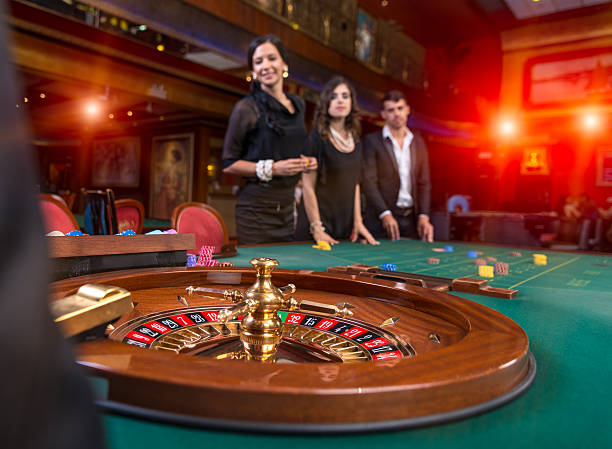
Understanding probability is essential to combat this fallacy. Each event in a game of chance is independent, meaning past outcomes have no bearing on future ones. For example, if a roulette wheel has landed on red several times consecutively, the odds of landing on black or red remain unchanged for the next spin. It’s vital for players to grasp this concept to avoid making irrational decisions based on previous results.
Educating oneself about the principles of odds and probabilities can foster a more rational approach to gambling. By focusing on the actual statistics and odds rather than emotional responses to recent outcomes, players can make better decisions and enjoy the gaming experience without the stress of false expectations. This knowledge is key to responsible gambling and long-term financial management.
The Myth of “Chasing” Losses
“Chasing losses” refers to the practice of increasing bets after a loss in hopes of recovering previous losses. This is a dangerous myth that can lead to significant financial harm. Many gamblers believe that by betting more, they will eventually win back what they have lost. However, this approach often exacerbates losses and leads to deeper financial issues.
Chasing losses is rooted in an emotional response to gambling rather than a rational assessment of the situation. When players increase their bets in an attempt to recover lost funds, they often overlook the fact that the odds remain the same regardless of past outcomes. This mindset can create a cycle of gambling that is difficult to break and can result in serious financial and emotional distress.
To combat this behavior, it’s essential for players to establish strict budgets and stick to them. Setting limits on how much to gamble in a session can help mitigate the urge to chase losses. Understanding that losses are an inherent part of gambling and embracing that reality can lead to healthier gambling habits and better overall experiences.

Understanding Responsible Gambling Resources
As myths in gambling can lead to detrimental practices, it’s crucial for players to be aware of responsible gambling resources. Various organizations and online platforms provide valuable information about managing gambling activities, setting limits, and recognizing signs of problem gambling. By leveraging these resources, individuals can enjoy gambling in a safe and responsible manner.
Knowledge is power when it comes to gambling. Many websites offer tools like budget calculators, loss limiters, and self-exclusion programs. These tools can help players keep their gambling in check and ensure that it remains a form of entertainment rather than a source of stress or financial burden. It’s important to seek help if gambling becomes problematic and to know that there are professionals available to assist.
By prioritizing responsible gambling, players can better enjoy their gaming experiences without falling prey to myths that might cloud their judgment. Awareness and education can enhance enjoyment while minimizing risks, making for a more sustainable approach to this popular pastime.