The historical evolution of casinos from ancient games to modern entertainment hubs
The Origins of Gambling
The roots of gambling can be traced back thousands of years to ancient civilizations such as the Chinese, Egyptians, and Romans. These early forms of gambling included rudimentary games of chance, often involving dice or betting on the outcomes of events. The ancient Chinese are credited with creating the first known lottery, while the Romans introduced gambling as a form of entertainment in their feasts and public events. These initial forms of gambling laid the groundwork for the more organized structures we recognize as casinos today. It’s akin to discovering a gold mine of entertainment potential.
As societies evolved, so did their approach to gambling. In ancient Greece, gambling was not only a pastime but also deeply intertwined with religion and social gatherings. People would wager on various competitions, including athletic events like the Olympics. These early forms of gambling fostered community engagement, creating a social fabric where betting was seen as a form of entertainment rather than solely a financial endeavor. The blend of chance and social interaction began to shape the culture surrounding gambling.
The transition from informal betting games to more structured forms of gambling marked the beginning of a significant evolution. By the Middle Ages, gambling had become more regulated, and monarchs across Europe began to impose laws regarding games of chance. This increased scrutiny led to the establishment of formal gaming houses, which were the precursors to modern casinos. The allure of gambling continued to grow, and with it, the need for more organized establishments that catered to eager players.
The Rise of Formal Casinos
The first official casino, the Casino di Venezia, opened its doors in Italy in 1638. This establishment marked a turning point in the gambling landscape, as it provided a dedicated venue for various games, attracting wealthy patrons and nobility. The success of the Casino di Venezia inspired other cities across Europe to establish their own casinos, leading to a proliferation of these gaming houses. The social elite began to frequent these venues, where they could indulge in games while enjoying luxurious amenities.
During the 18th century, casinos started to spread beyond Europe, making their way to the Americas. The establishment of casinos in places like New Orleans in the early 19th century signified the growing popularity of gambling in American culture. These casinos offered games such as poker and roulette, becoming integral to social interactions and community life. The American West, particularly during the Gold Rush era, further fueled the casino industry, with gambling halls becoming synonymous with frontier life.
The evolution of casinos was not without challenges. The rise of organized crime during the 20th century led to increased scrutiny and regulation of gambling establishments, especially in cities like Las Vegas. However, this also paved the way for a more legitimate and regulated casino industry. With government oversight, casinos began to flourish, offering not just gambling but a complete entertainment experience, complete with dining, live shows, and luxury accommodations.
The Technological Revolution and Online Gaming
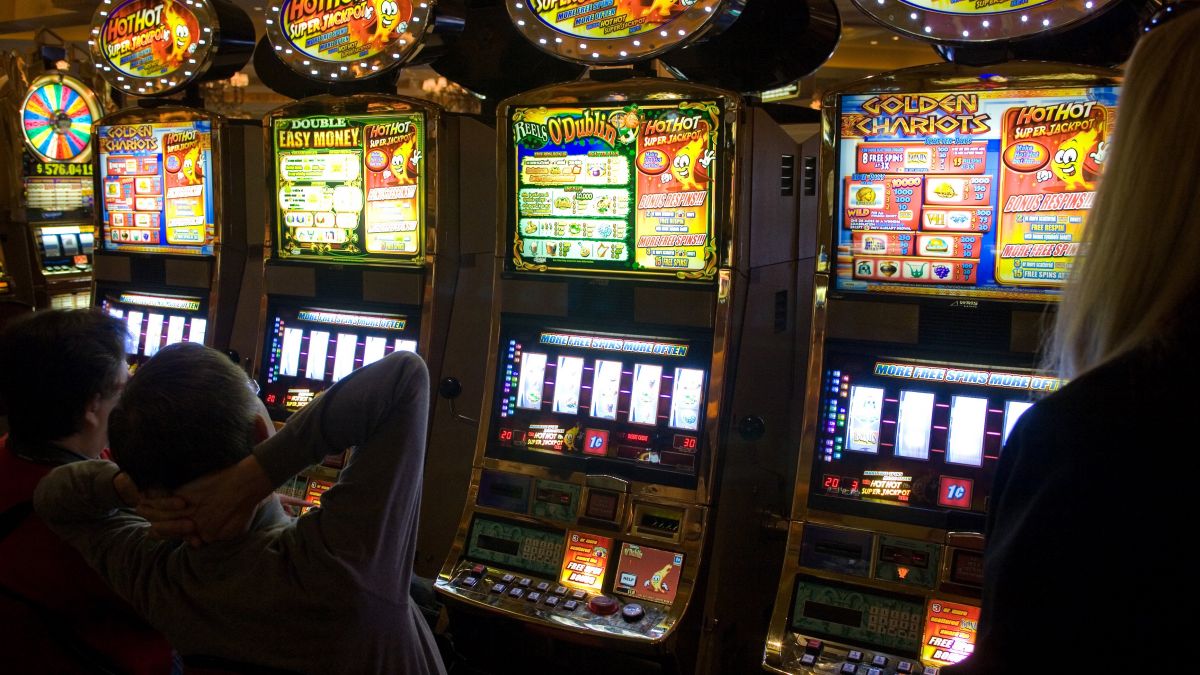
The advent of technology in the late 20th century transformed the casino landscape once again. The introduction of computerized gaming machines and sophisticated software allowed for a more diverse array of games and experiences. Slot machines evolved from simple mechanical devices into digital marvels offering interactive features and extensive themes. This technological leap not only enhanced player engagement but also attracted a wider audience, including younger generations who may have been less inclined to visit physical casinos.
The internet further revolutionized the casino industry, giving rise to online gambling platforms. Players could now access their favorite games from the comfort of their homes, leading to an explosion of online casinos in the early 2000s. This shift democratized gambling, making it accessible to people who might not have had the means or desire to visit a traditional casino. Moreover, advancements in technology have introduced live dealer games, creating an immersive experience that blends the convenience of online gaming with the atmosphere of a physical casino.
Registration processes for these platforms have also evolved, allowing players to sign in easily and engage in their favorite games within moments. Mobile technology has also played a pivotal role in the evolution of casinos. With the rise of smartphones, players can gamble anytime and anywhere. Mobile casinos have exploded in popularity, offering a variety of games designed for touch interfaces. This accessibility has opened up new avenues for the casino industry, fostering a culture of continuous engagement where players can easily jump into a game during their daily routines. The marriage of technology and gambling has not only enhanced gameplay but also reshaped the entire gambling experience.
The Modern Casino Experience
Today’s casinos are far more than just venues for gambling. They have evolved into sprawling entertainment complexes that cater to a diverse range of interests. Modern casinos often include world-class restaurants, luxurious hotels, shopping, and live entertainment, transforming them into destinations where visitors can spend entire weekends. The convergence of gambling and entertainment has created a unique atmosphere that attracts tourists and locals alike, further fueling the industry’s growth.
Theming and ambiance have become crucial aspects of the modern casino experience. Many casinos design their interiors to transport guests to different worlds, utilizing elaborate decor, lighting, and sound. This immersive environment enhances the gambling experience, making it less about winning or losing and more about enjoyment and escapism. Iconic destinations like Las Vegas and Macau exemplify this trend, as they constantly innovate to provide unique experiences that keep patrons returning.
In addition to physical casinos, the rise of social casinos—games that allow players to engage in gambling-like activities without real money—has introduced new layers of interaction and community. These platforms enable players to experience the thrill of gaming while fostering social connections, further blurring the lines between traditional and modern gambling. As the industry continues to evolve, it remains clear that casinos will adapt to meet changing consumer demands and technological advancements.

The Future of Casinos and Online Platforms
As we look to the future, the casino industry is poised for continued evolution. Online platforms are expected to become even more sophisticated, incorporating elements such as virtual reality to enhance the gaming experience. With advancements in technology, players will be able to immerse themselves in virtual casino environments, interacting with dealers and other players in real-time, regardless of their physical location. This next step in gaming technology promises to redefine how we engage with casinos.
Regulation and responsible gaming are also central to the future of casinos. As the industry grows, the need for consumer protection and responsible gambling practices becomes paramount. Regulatory bodies are working to create frameworks that ensure a safe gambling environment while fostering innovation. These developments will likely shape the landscape of both physical and online casinos as they strive to balance profitability with ethical considerations.
The casino industry is undoubtedly on an exciting trajectory as it embraces new technologies and consumer trends. With a focus on creating engaging, immersive experiences, casinos will continue to be a significant part of the entertainment landscape. As we navigate through this ongoing evolution, it is essential to keep an eye on the trends that will shape the future of gambling, ensuring that it remains a source of enjoyment and community for all.